Each crop needs soil acidity (pH) in a different range. If soil is too acidic or too alkaline, the crop can’t make full use of fertilizer however much you apply. Knowing the right pH range is the first step to getting your money’s worth from fertilizer.
Suitable soil pH for Thai economic crops
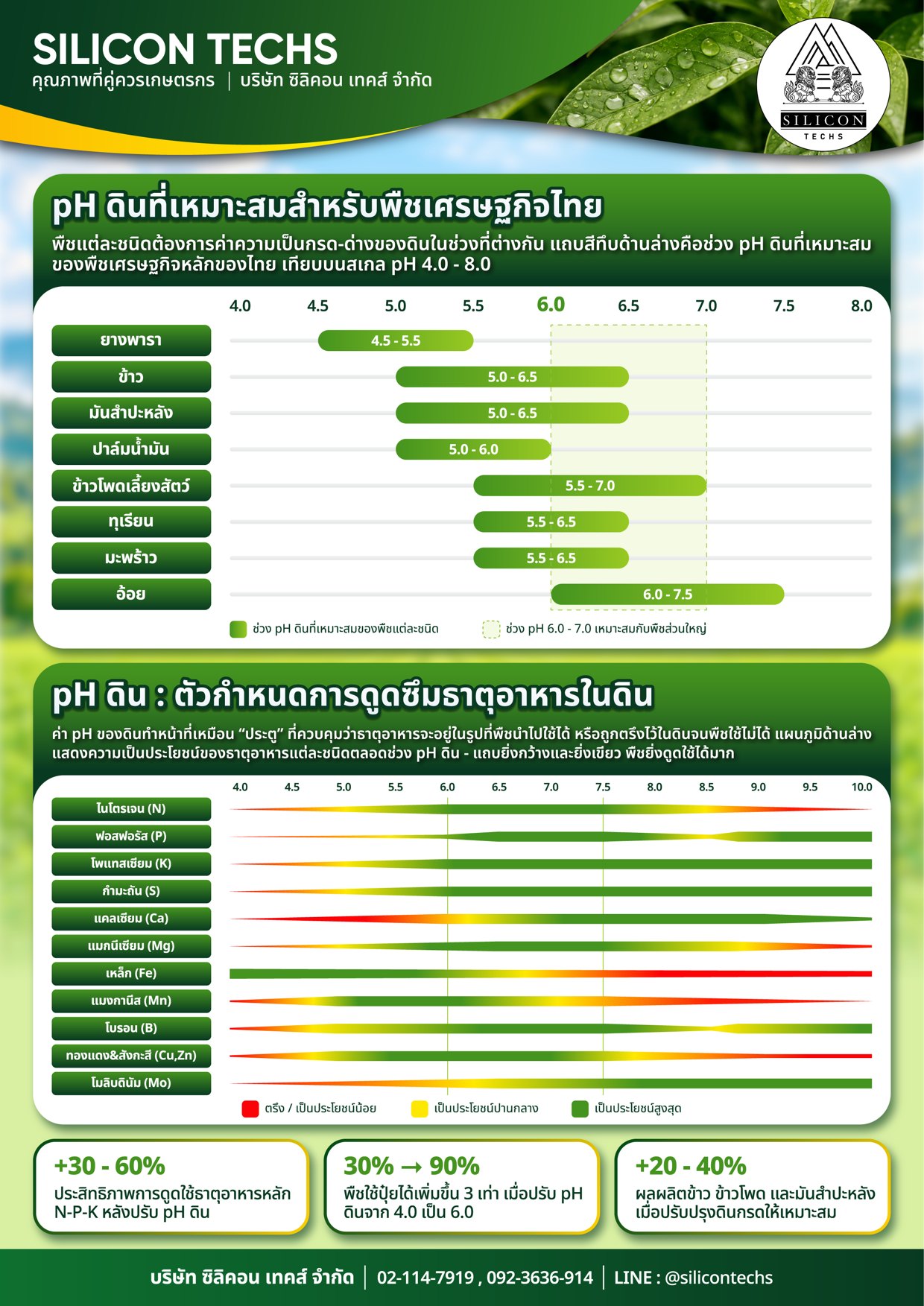
- Rubber — pH 4.5 – 5.5
- Rice — pH 5.0 – 6.5
- Cassava — pH 5.0 – 6.5
- Oil palm — pH 5.0 – 6.0
- Feed maize — pH 5.5 – 7.0
- Durian — pH 5.5 – 6.5
- Coconut — pH 5.5 – 6.5
- Sugarcane — pH 6.0 – 7.5
Overall, pH 6.0 – 7.0 suits most crops.

Soil pH decides nutrient availability
Soil pH works like a “gate” that controls whether nutrients are in a form plants can use or are locked up in the soil. Most nutrients are most available at around pH 6.0 – 7.5.
- Nitrogen (N) — most available at about 6.0 – 8.0; falls in very acidic soil
- Phosphorus (P) — most available at about 6.5 – 7.5; acidic soil locks up a lot of phosphorus
- Potassium (K) and sulfur (S) — highly available from about pH 6.0 upward
- Calcium (Ca) — very low in acidic soil; highly available from about pH 7.0
- Magnesium (Mg) — highly available at about 6.0 – 8.5
- Iron (Fe) — dissolves well in acidic soil; easily deficient in alkaline soil (above pH 7.5)
- Manganese (Mn) — highly available at about 5.0 – 6.5; drops sharply in alkaline soil
- Boron (B) — highly available at about 5.0 – 7.0
- Copper and zinc (Cu, Zn) — highly available at about 5.0 – 7.0; fall above pH 8
- Molybdenum (Mo) — low in acidic soil; more available from about pH 7.0

What correcting soil pH gives you
- +30 – 60% uptake efficiency of the major nutrients N-P-K after correcting soil pH
- 30% → 90%: crops use three times more fertilizer when soil pH rises from 4.0 to 6.0
- +20 – 40% yield for rice, maize and cassava when acidic soil is corrected
How to start
- Test soil pH before every fertilizer application, with a soil test kit or by sending a sample to a lab
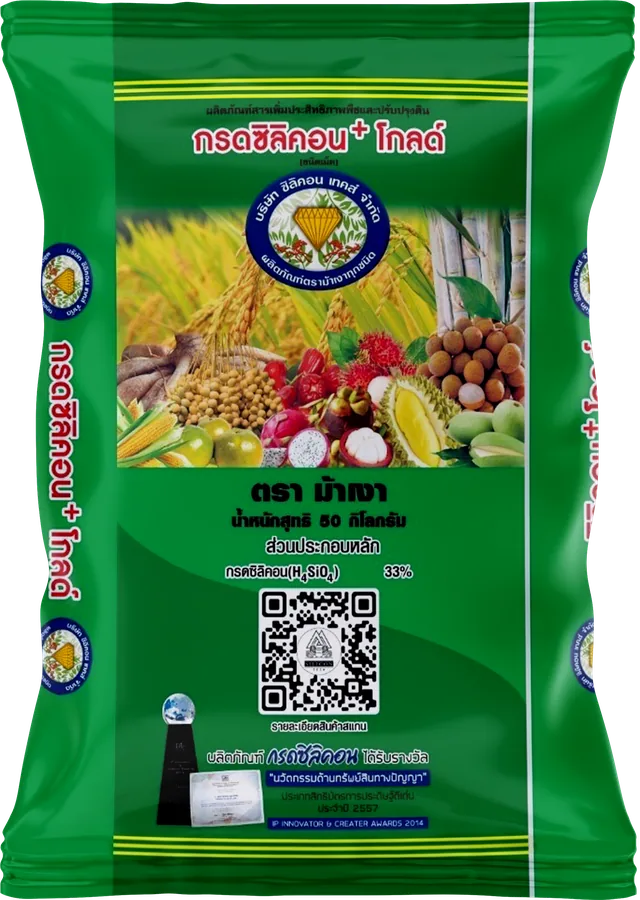
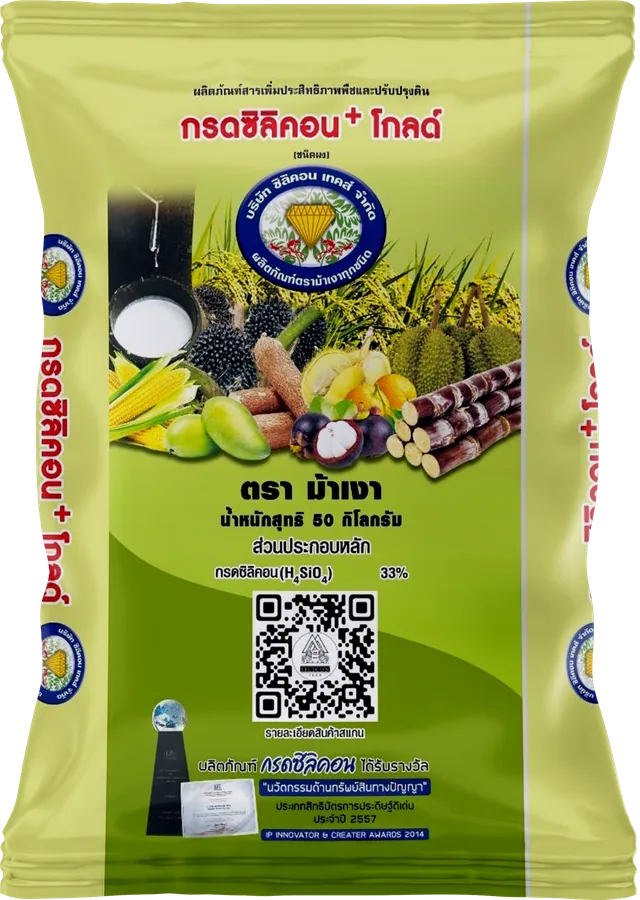
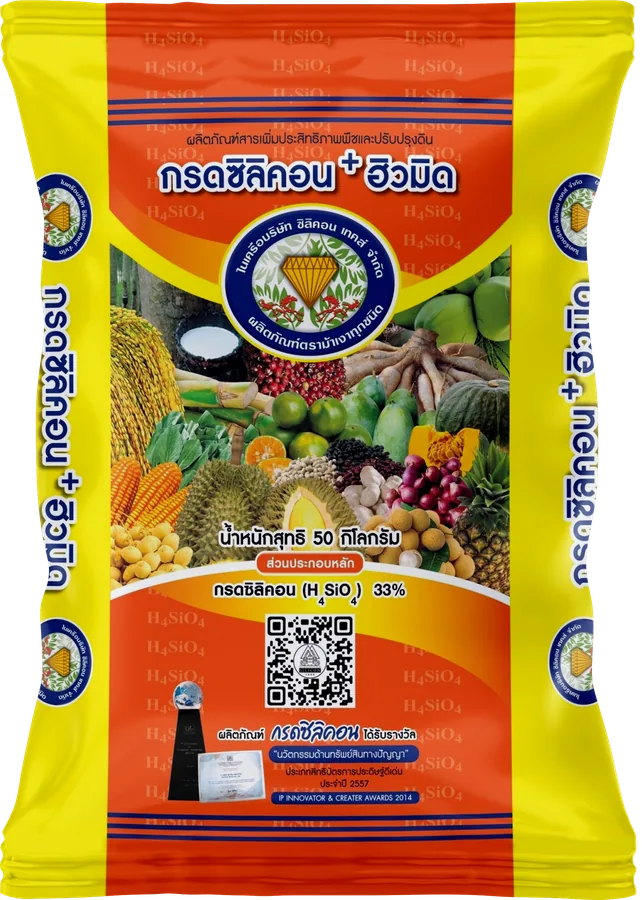
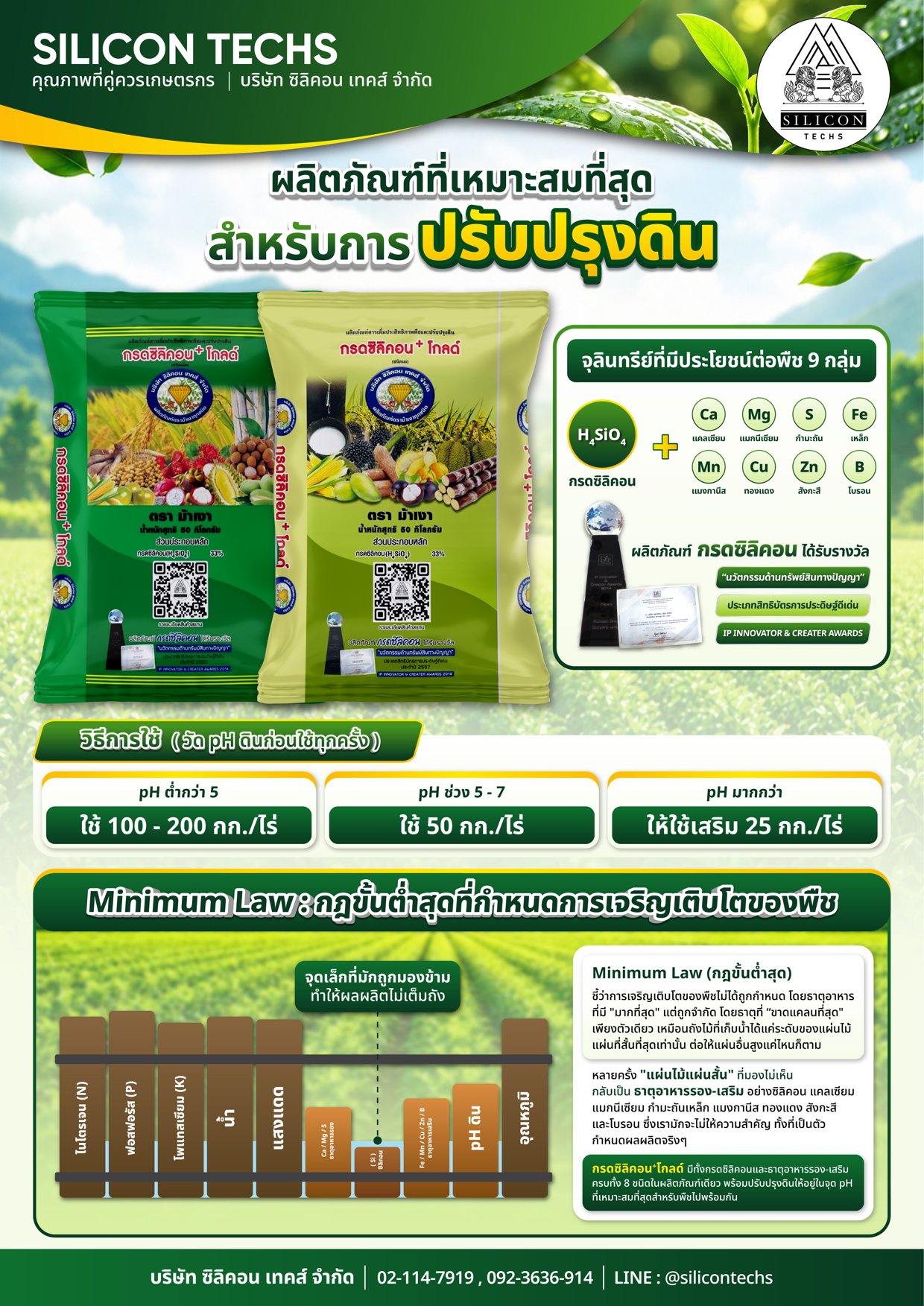
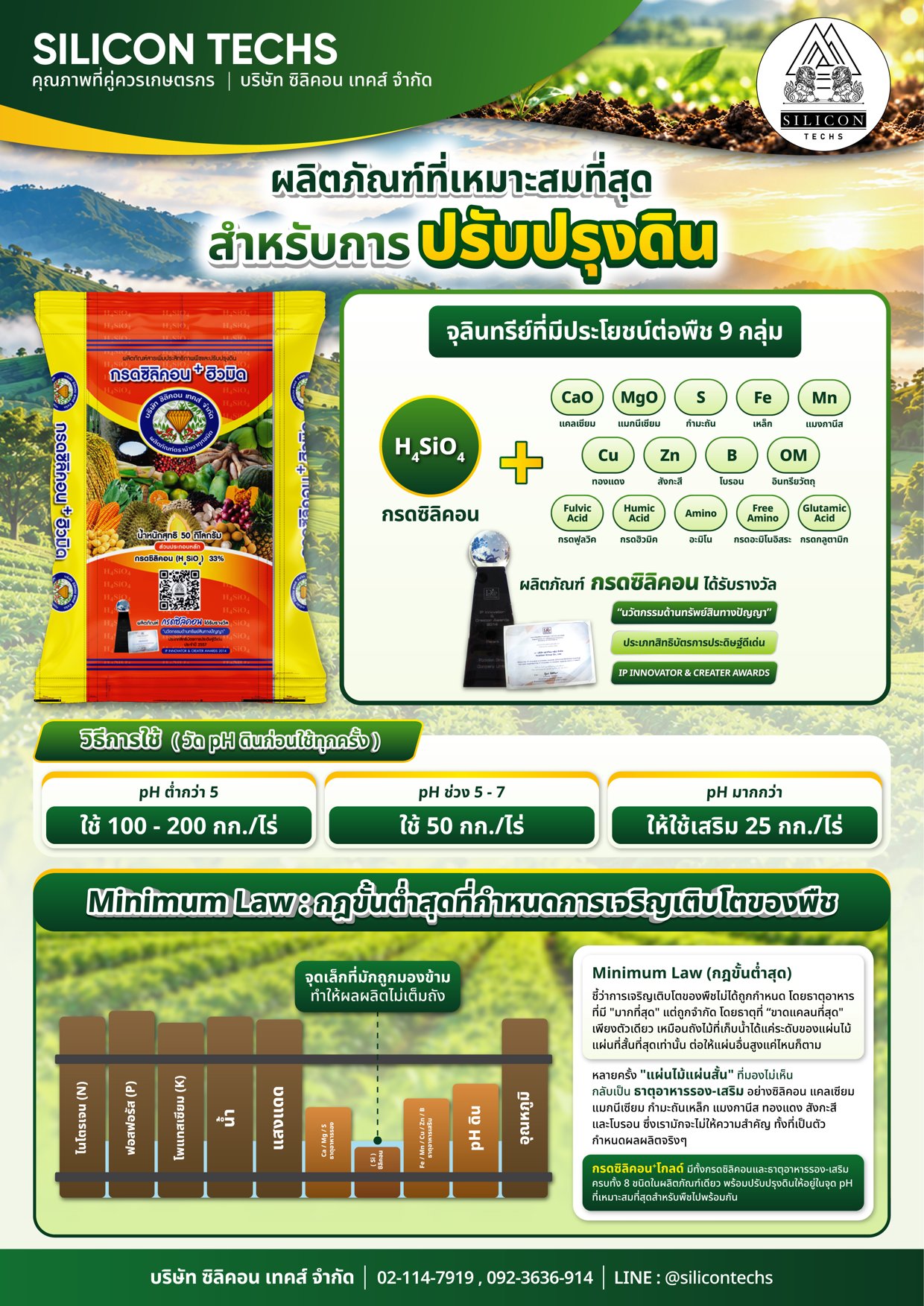
- Correct acidic soil with a soil improver such as Orthosilicic Acid + Gold or Orthosilicic Acid + Humic at the rate recommended for your pH
- Ask our agronomists for free — tell us your crop and soil pH and we’ll help plan your fertilizer