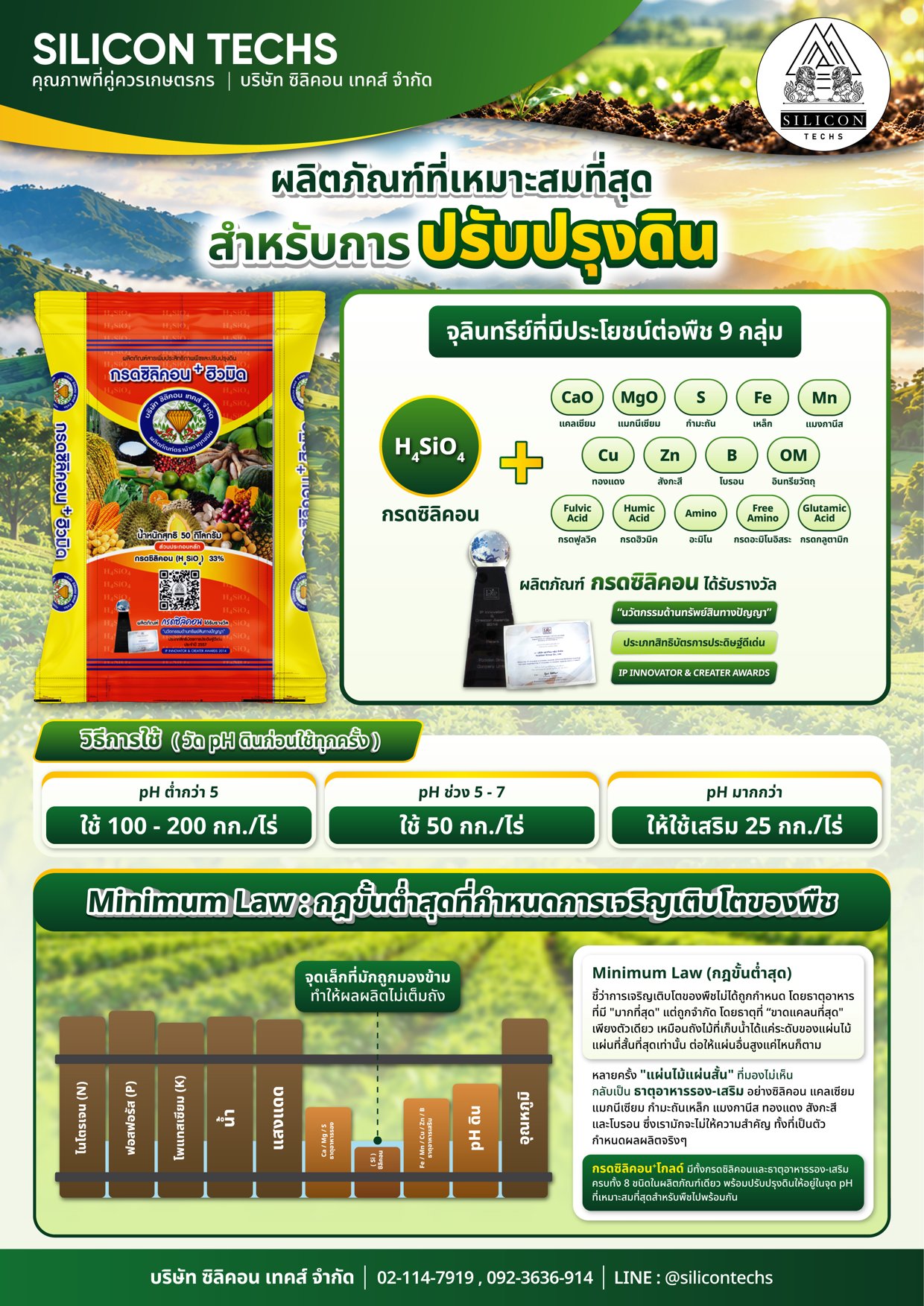
Many farms apply a full dose of fertilizer every round, yet yields don’t rise as they should — weak plants, dropped flowers, small fruit — despite the money spent. The answer often lies in a basic principle of agronomy: the “Law of the Minimum”.
What is the Law of the Minimum?
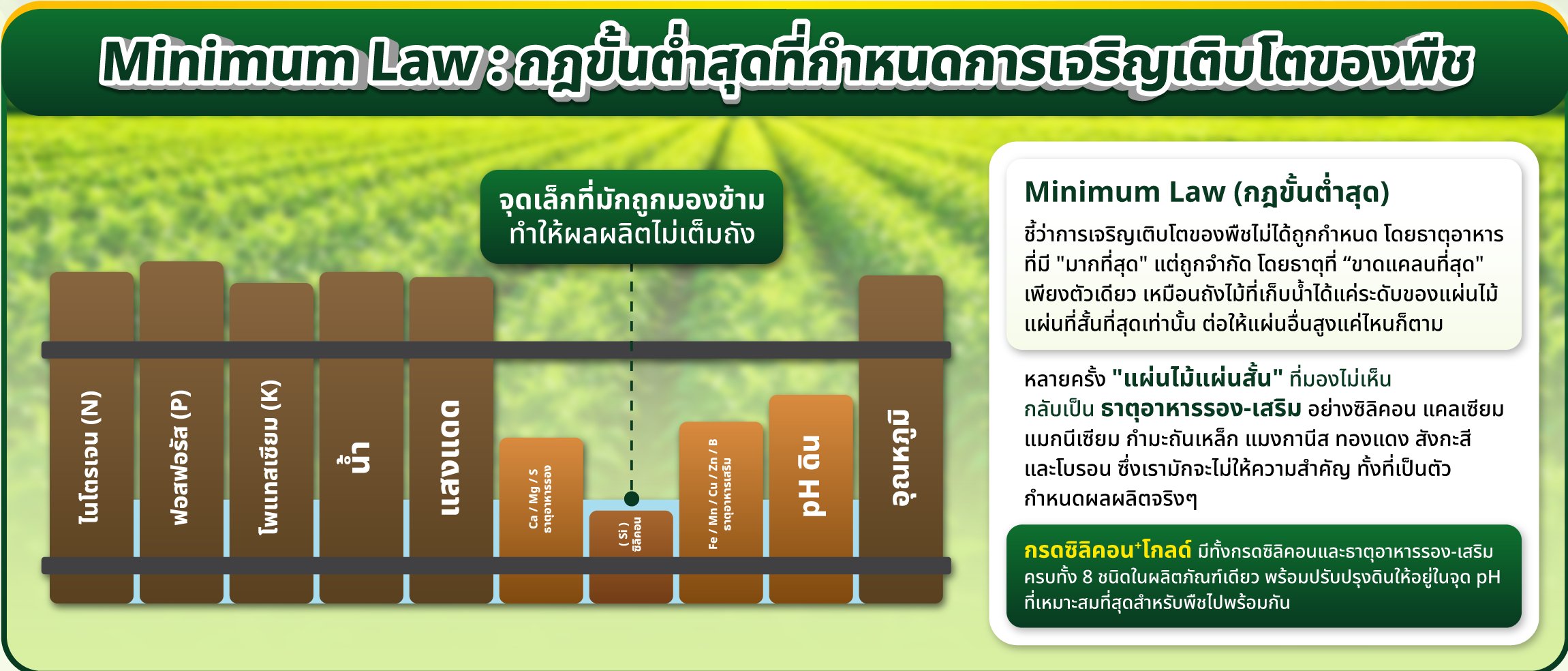
Liebig’s Law of the Minimum, popularised in the 19th century by the German chemist Justus von Liebig, says that plant growth is not set by the nutrient present in the greatest amount, but limited by the single nutrient or factor in shortest supply.
The barrel analogy
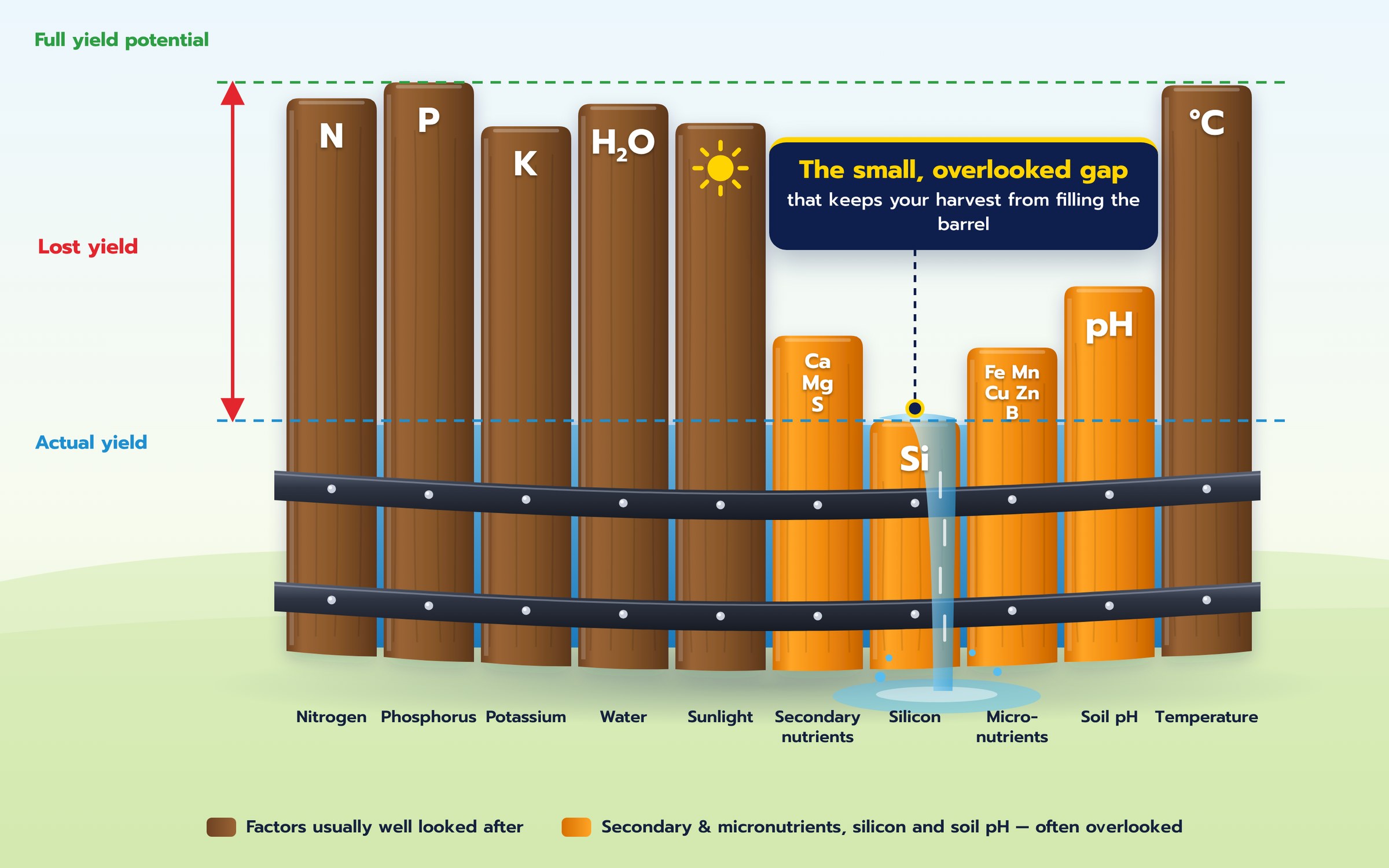
Picture a wooden barrel made of staves of different heights. However tall the other staves are, the barrel can only hold water up to the level of its shortest stave — anything above that simply spills out.
Fertilizing works the same way. If a crop is short of just one nutrient, it still can’t reach its full potential, even if every other nutrient is complete or in excess, because it is held back by the one in shortest supply.
The staves of your “yield barrel”
Yield depends on many factors at once, and each one is a stave of the barrel:
- Major nutrients — nitrogen (N), phosphorus (P), potassium (K)
- Water, sunlight and temperature
- Secondary nutrients — calcium (Ca), magnesium (Mg), sulfur (S)
- Silicon (Si)
- Micronutrients — iron (Fe), manganese (Mn), copper (Cu), zinc (Zn), boron (B)
- Soil pH
The overlooked “short staves”
Most farmers already take good care of the N-P-K, water and sunlight staves. But often the hidden “short stave” is a secondary or micronutrient — silicon, calcium, magnesium, sulfur, iron, manganese, copper, zinc or boron — that gets little attention yet truly decides the yield.
Soil pH is another stave that matters just as much. However complete your fertilizer, if soil pH is outside the right range, nutrients get locked up in forms the crop can’t use. Correcting soil pH is therefore the first step before any fertilizer, so your investment isn’t wasted.
Putting the Law of the Minimum to work
- Adding more of a nutrient the crop already has enough of won’t raise yield — it only costs money and risks degrading the soil
- Find the shortest stave first — measure soil pH, have your soil analysed, and watch for deficiency signs on leaves, stems and fruit
- Always fix the shortest stave first, then balance the other factors across the whole barrel
- Once the shortest stave is fixed, the next one becomes the limit — so soil and nutrient care has to be continuous and cover every group
Raise several staves at once with Orthosilicic Acid + Gold
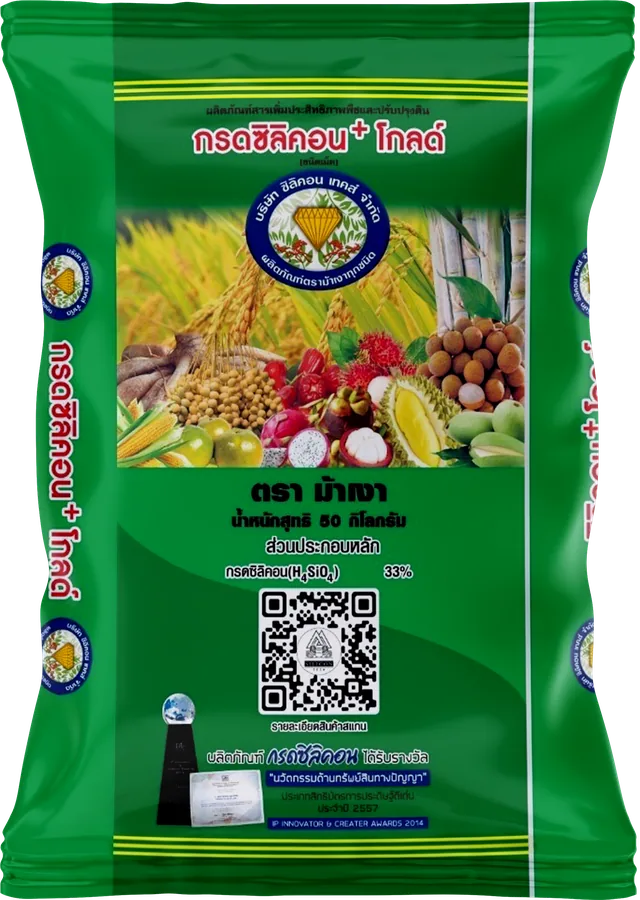
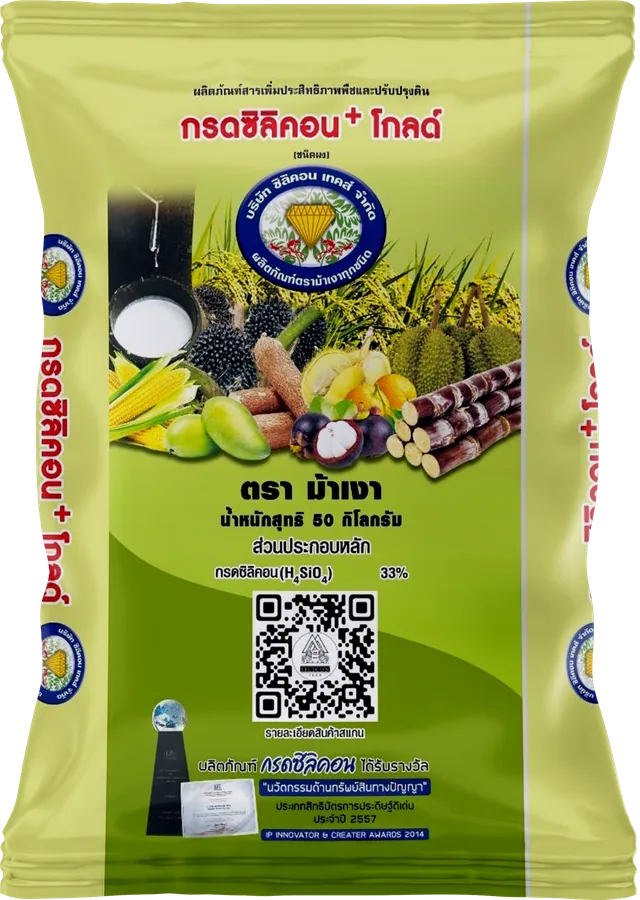
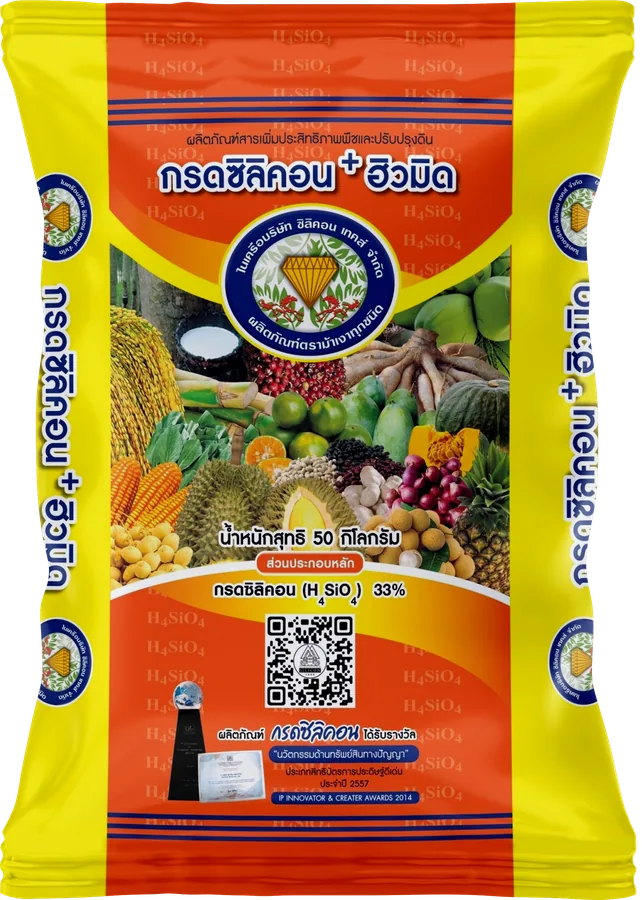
Silicon Techs’ Orthosilicic Acid + Gold is designed to “lengthen the short staves” of a field in several places at once. It combines 33% orthosilicic acid (H₄SiO₄) with all 8 secondary and micronutrients (calcium, magnesium, sulfur, iron, manganese, copper, zinc, boron) in one product, while helping bring soil into the right pH range for crops. Available as powder and granules.
How to use (measure soil pH before every application)
- pH below 5 — 100 – 200 kg/rai
- pH 5 – 7 — 50 kg/rai
- pH above 7 — top up with 25 kg/rai